
The Allure of Gambling: An Introduction
The psychology of casino gambling is a captivating field that examines why individuals are drawn to gaming establishments. For many, casinos represent more than just a chance to win money; they offer a unique environment filled with vibrant sights, sounds, and social interactions. The sensory stimulation provided by flashing lights and the cacophony of slot machines creates an atmosphere charged with excitement and anticipation, making it a prime location for those seeking the best online casino experience while indulging in their thrill-seeking behavior.
At the core of this allure is the interplay between uncertainty and the thrill of risk-taking. Gamblers are often entranced by the unpredictability inherent in games, experiencing euphoric highs from wins and devastating lows from losses. This emotional rollercoaster is a defining characteristic of the gambling experience, where the anticipation of winning can overshadow the reality of the odds. The prospect of hitting a life-changing jackpot can create an almost magnetic pull, often causing individuals to overlook the statistical probabilities against them. This phenomenon highlights how the allure of gambling can distort rational thinking and decision-making.
Diving deeper into the psychology behind this allure involves understanding the concepts of reward, motivation, and behavior. The unpredictability of outcomes in gambling triggers the release of dopamine in the brain, a neurotransmitter linked to pleasure and reward. This biochemical reaction reinforces gambling behavior, making it difficult for individuals to walk away from the game, even after experiencing significant losses. This complex interplay between psychological factors and the gambling experience reveals why many continue to engage in gambling despite the risks involved, emphasizing the need for greater awareness of one’s behaviors and motivations.
Identity and Social Dynamics in Gambling
Gambling often transcends mere financial transactions, evolving into a social activity where individuals connect over shared experiences. The communal environment of casinos fosters a sense of belonging, wherein players often derive part of their identity from their gambling habits. This identification can create a feedback loop that encourages individuals to return to the casino, seeking social validation and a sense of community. As players form friendships and networks within this environment, their gambling behavior becomes increasingly intertwined with their social identity, influencing their choices and spending patterns.
The presence of other gamblers enhances the excitement and anticipation within a casino, creating a collective atmosphere that can amplify individual behavior. For example, witnessing someone win can trigger feelings of envy or aspiration, motivating onlookers to participate in hopes of experiencing similar success. This phenomenon, referred to as social proof, underscores how individual gambling behaviors are often influenced by group dynamics, as people tend to mimic the actions and attitudes of those around them. Understanding these social influences is crucial for recognizing how they can shape gambling decisions.

Moreover, the social context of gambling can significantly impact decision-making processes. Factors such as peer pressure, the desire to impress others, or the enjoyment of companionship can lead individuals to gamble more than they originally intended. This raises important questions about personal accountability in gambling and highlights how social environments can drastically alter individual behaviors. Recognizing these dynamics is vital for fostering responsible gambling practices, as it encourages individuals to reflect on how their social interactions influence their gambling habits.
The Role of Cognitive Biases in Gambling Behavior
Cognitive biases are pivotal in shaping how individuals perceive luck and success in gambling contexts. One prevalent bias is the illusion of control, where gamblers mistakenly believe that they can influence outcomes through skill or strategy, even in games reliant purely on chance, such as slots or roulette. This misconception can lead to increased gambling activity, as individuals feel empowered by their perceived abilities, ignoring the fundamental randomness that characterizes these games. The belief in one’s control over outcomes can become a dangerous trap, fueling a cycle of gambling that can result in substantial losses.
The gambler’s fallacy is another cognitive bias that can distort decision-making in gambling environments. This bias occurs when individuals erroneously believe that past outcomes affect future probabilities. For instance, a player might assume that because a specific number has not appeared in a roulette game for several rounds, it is “due” to appear soon. Such flawed reasoning can lead to illogical betting patterns, often resulting in significant financial losses. Understanding these cognitive distortions is essential, as they highlight the psychological barriers that can hinder rational decision-making in gambling.
Recognizing these cognitive biases is vital for both gamblers and casino operators. Many casinos are designed to exploit these cognitive tendencies, inadvertently encouraging increased gambling and potentially harmful behaviors. By becoming aware of these biases, players can make more informed decisions and develop healthier relationships with their gaming habits. Education on cognitive biases can equip gamblers with the tools needed to recognize when their thoughts may be leading them astray, ultimately promoting a more mindful approach to gambling.
The Impact of Emotion and Stress on Gambling Decisions
The emotional state of a gambler plays a crucial role in shaping their decision-making processes within the casino environment. Stress, anxiety, and excitement can lead to impulsive behaviors, often driving individuals to chase losses or make risky bets. For many, the casino atmosphere serves as an escape from daily pressures, providing a temporary refuge from stressors. However, this escapism can quickly morph into destructive patterns, as the emotional highs and lows experienced during gambling can deeply intertwine with an individual’s overall mental health.
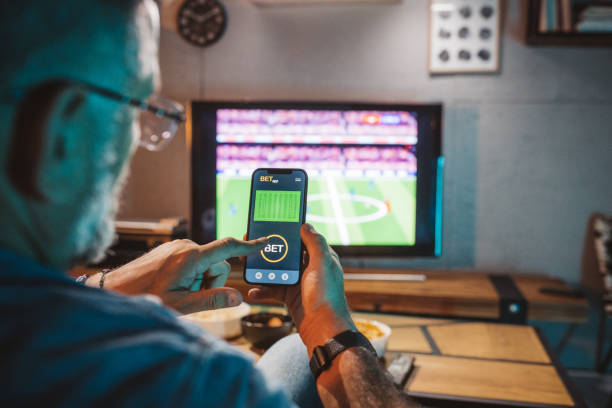
Moreover, the relationship between emotions and gambling is multifaceted. Positive emotions stemming from wins can encourage further gambling, while negative emotions from losses can create a hazardous cycle of chasing those losses. This behavior can escalate rapidly, resulting in significant financial and emotional consequences. Understanding these emotional triggers is vital for gamblers, as it allows them to develop strategies for controlling their gambling habits and mitigating the impact of emotions on their decisions.
The interplay between emotions and gambling underscores the necessity for self-awareness and emotional regulation. Encouraging gamblers to recognize their emotional states and how these feelings influence their decisions can lead to healthier gambling practices. Providing educational resources on the psychological aspects of gambling can empower players to make better-informed choices and cultivate a more balanced approach to their gaming habits, ultimately fostering a healthier relationship with gambling.
Responsible Gambling and Awareness
As the psychological factors that influence gambling behavior become increasingly understood, the significance of responsible gambling practices gains prominence. Educational initiatives aimed at raising awareness about the psychological aspects driving gambling can empower individuals to recognize the signs of problematic behavior. Understanding cognitive biases, emotional influences, and social dynamics can help players make informed decisions, ultimately reducing the risks associated with gambling. This awareness serves as a robust framework for promoting healthy gambling habits.
Responsible gambling not only protects individuals from potential harm but also cultivates a healthier gambling culture. Many casinos and gaming organizations now incorporate responsible gaming measures, offering resources and support for individuals struggling with gambling addiction. This proactive approach addresses the social and psychological implications of gambling while fostering a supportive environment for players. Such initiatives can significantly reduce the stigma surrounding gambling issues, encouraging individuals to seek help when needed.
Ultimately, understanding the psychology behind casino gambling is essential for both players and the industry. By prioritizing responsible gambling initiatives and providing educational resources, casinos can contribute to a safer gambling environment while encouraging players to engage in a more mindful and informed manner. The journey through the world of gambling can be both thrilling and perilous, and fostering awareness can profoundly impact the overall experience for everyone involved. Through education and support, the industry can help ensure that gambling remains a form of entertainment rather than a source of distress.